Sunday, June 28, 2026

How to Build Mental Strength and Resilience: The Ultimate Guide to Overcoming Life's Challenges

Mental strength and resilience are the two most powerful qualities a person can develop in their lifetime. In a world full of uncertainty, stress, and unexpected challenges, learning how to build mental strength is not just helpful — it is absolutely essential for living a happy, fulfilling, and successful life. Whether you are dealing with personal loss, career setbacks, relationship problems, or everyday stress, mental resilience is the key that unlocks your ability to bounce back, grow stronger, and move forward with confidence and purpose.

In this comprehensive guide, we will explore the science and psychology behind mental strength and resilience, share powerful strategies to build an unbreakable mindset, and give you actionable steps to overcome life's biggest challenges. If you have ever felt overwhelmed, stuck, or broken by life's difficulties, this post is written specifically for you. Read on, because what you learn here could completely transform the way you think, feel, and live.

What Is Mental Strength? Understanding the Foundation of Resilience

Mental strength is the capacity to effectively manage your emotions, thoughts, and behaviors in all circumstances — especially when facing adversity. It is not about being emotionless or never feeling pain. Mentally strong people feel fear, sadness, and doubt just like everyone else. The difference is that they do not let those emotions control their decisions or define their destiny.

Resilience, on the other hand, is the ability to recover quickly from difficulties. It is your psychological immune system — the inner power that helps you adapt to stress, trauma, tragedy, and significant sources of pressure. Research in positive psychology shows that resilience is not a fixed trait you either have or do not have. It is a set of skills and habits that anyone can learn and strengthen over time.

Together, mental strength and resilience form the bedrock of personal growth, emotional intelligence, self-improvement, and long-term well-being. They are what separate people who thrive from those who merely survive.

Why Building Mental Strength Matters More Than Ever in 2026

We are living in one of the most mentally challenging eras in human history. The pressures of modern life — social media comparison, financial stress, global uncertainty, health anxiety, and rapid technological change — are taking a serious toll on people's mental health and emotional well-being. According to the World Health Organization, depression and anxiety disorders affect more than 300 million people worldwide, making them the leading cause of disability globally.

The good news is that mental strength is your most reliable shield against these pressures. When you develop a resilient mindset, you become better at:

  • Managing stress and anxiety effectively
  • Maintaining emotional balance during difficult times
  • Making clear, rational decisions under pressure
  • Building stronger, healthier relationships
  • Achieving your personal and professional goals
  • Finding meaning and purpose even in suffering
  • Living with greater joy, gratitude, and inner peace

Building mental strength is not a luxury — it is a life skill that every person needs to cultivate actively and intentionally.
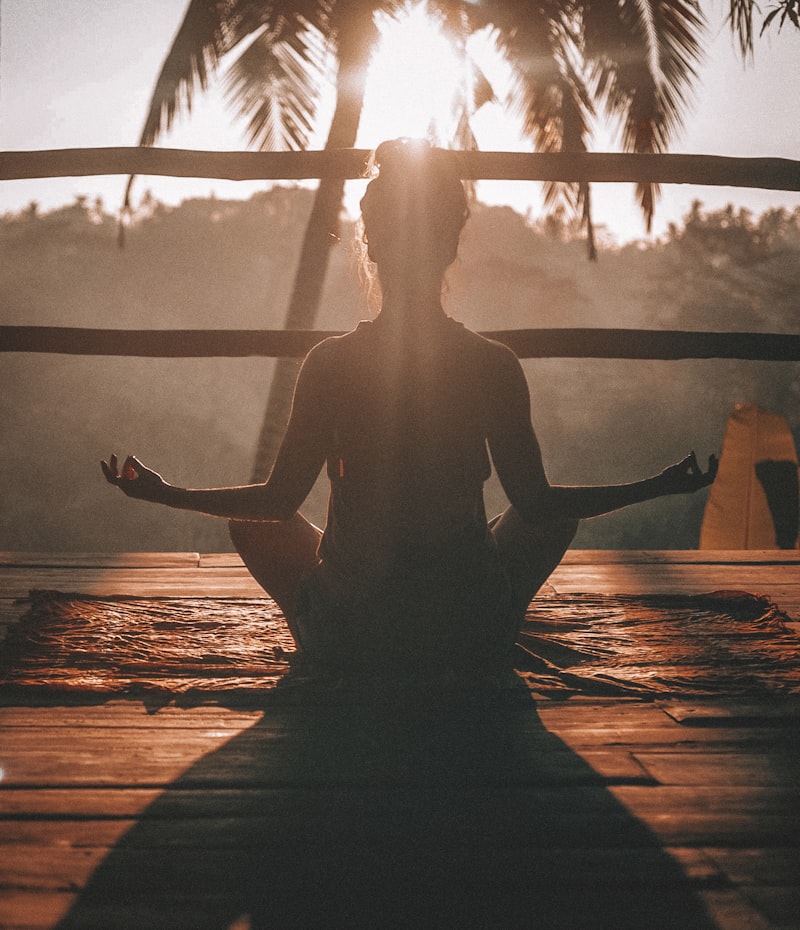
mental strength and resilience - person meditating at sunrise

Building mental strength starts with daily habits of mindfulness and self-reflection.

10 Powerful Strategies to Build Mental Strength and Resilience

Now that we understand why mental strength matters, let us dive into the most effective, science-backed strategies you can start using today to build an unbreakable mind and a resilient spirit.

1. Develop a Growth Mindset

The foundation of mental strength is a growth mindset — the belief that your abilities, intelligence, and character can be developed through dedication and hard work. Psychologist Carol Dweck's groundbreaking research shows that people with a growth mindset embrace challenges, persist through setbacks, and see effort as the path to mastery. They do not run from failure; they learn from it.

To develop a growth mindset, start noticing when you tell yourself "I can't do this" and replace it with "I can't do this yet." That one small word — yet — opens up a world of possibility and transforms fixed limitations into opportunities for growth and self-improvement.

2. Practice Mindfulness and Emotional Awareness

Mindfulness is one of the most powerful tools for building mental strength. When you practice mindfulness, you train your mind to stay present, observe your thoughts without judgment, and respond to situations rather than react impulsively. Dozens of scientific studies confirm that regular mindfulness practice reduces stress, anxiety, and depression while improving focus, emotional regulation, and overall well-being.

Start with just 10 minutes of mindful breathing or meditation each morning. Pay attention to your thoughts and feelings throughout the day without judging them. Over time, this practice will dramatically strengthen your mental resilience and emotional intelligence.

3. Embrace Discomfort and Face Your Fears

Mental strength grows in direct proportion to the discomfort you are willing to face. Every time you step outside your comfort zone, your brain builds new neural pathways that make you more resilient. Whether it is having a difficult conversation, trying something new, or pushing through physical discomfort during exercise, embracing challenges is how you expand your psychological capacity.

Make it a daily practice to do one thing that makes you slightly uncomfortable. Over weeks and months, your tolerance for difficulty will increase dramatically, and things that once felt overwhelming will become manageable.

4. Build Strong Social Connections

Human beings are wired for connection. Research consistently shows that strong social relationships are one of the most important factors in mental resilience and emotional health. Having people you can talk to, lean on, and share life with provides a powerful buffer against stress and adversity.

Invest in your relationships. Be present with the people you love. Seek out community — whether through family, friends, support groups, or meaningful shared activities. Knowing that you are not alone in your struggles is one of the greatest sources of mental strength available to you.

5. Practice Gratitude Daily

Gratitude is a transformative practice that rewires your brain for positivity and resilience. Neuroscience research shows that regularly practicing gratitude activates the brain's reward centers, reduces cortisol (the stress hormone), and increases the production of dopamine and serotonin — the brain chemicals responsible for happiness and well-being.

Each morning or evening, write down three to five things you are genuinely grateful for. They do not have to be big things. The warmth of the sun, a good cup of tea, a kind word from a friend — these small moments of gratitude accumulate into a powerful positive mindset over time.

6. Set Meaningful Goals and Take Consistent Action

Mental strength is deeply connected to having a clear sense of purpose and direction. When you know what you are working toward and why it matters, you develop the inner motivation and determination to push through obstacles and setbacks. Goal-setting activates your brain's prefrontal cortex — the part responsible for planning, decision-making, and impulse control — making you more focused and disciplined.

Set both short-term and long-term goals that align with your core values. Break big goals into small, actionable steps. Celebrate small wins along the way. Consistent progress — even tiny steps forward every day — builds enormous momentum and mental confidence over time.

7. Learn to Manage Stress Effectively

Stress management is a critical component of mental strength. Chronic, unmanaged stress damages the brain, weakens the immune system, and erodes emotional resilience. Learning healthy ways to manage stress is therefore not optional — it is a fundamental life skill.

Effective stress management strategies include regular physical exercise, deep breathing techniques, progressive muscle relaxation, journaling, creative expression, spending time in nature, and getting sufficient sleep. Find what works best for you and make it a non-negotiable part of your daily routine.

8. Reframe Negative Thoughts and Practice Positive Self-Talk

The way you talk to yourself has a profound impact on your mental strength and emotional resilience. Negative self-talk — the inner critic that says "I'm not good enough," "I always fail," or "Things will never get better" — is one of the biggest enemies of mental well-being. Cognitive behavioral therapy (CBT) research shows that our thoughts directly influence our emotions and behaviors, meaning that changing how you think can literally change how you feel and what you do.

Practice catching negative thoughts and reframing them into more balanced, realistic, and constructive perspectives. Instead of "I failed at this task, I'm a failure," try "I did not succeed this time, but I learned something valuable and I will do better next time." This simple mental shift builds enormous psychological resilience over time.

9. Develop Strong Self-Discipline and Healthy Habits

Self-discipline is the backbone of mental strength. It is the ability to do what needs to be done, when it needs to be done, regardless of how you feel in the moment. People with strong self-discipline consistently outperform those who rely on motivation alone, because motivation is temporary while discipline is a lasting skill.

Build self-discipline through the power of habits. Start with small, consistent actions every day — morning exercise, reading for 20 minutes, journaling, or a healthy meal. As these habits become automatic, they free up mental energy and create a foundation of structure and stability that supports your overall mental strength and resilience.

10. Find Meaning and Purpose in Adversity

Viktor Frankl, the Austrian psychiatrist and Holocaust survivor, wrote in his landmark book Man's Search for Meaning that those who can find a purpose in their suffering are able to endure almost anything. This profound insight is at the heart of resilience. When you can find meaning in your pain — when you can ask not just "Why is this happening to me?" but "What can I learn from this? How can this make me stronger? How can I use this experience to help others?" — you transform suffering into growth.

Finding meaning does not mean pretending that bad things are good. It means choosing to extract value from difficult experiences and using them as fuel for personal development, empathy, and wisdom. This is one of the highest forms of mental strength and human resilience.

overcoming challenges with resilience and inner strength

Every challenge you face is an opportunity to grow stronger, wiser, and more resilient.

The Science Behind Resilience: What Research Tells Us

Understanding the neuroscience of mental resilience can motivate and guide your efforts to build a stronger mind. Here is what science tells us about how resilience works at the brain level:

The Role of Neuroplasticity

Neuroplasticity is the brain's remarkable ability to reorganize itself by forming new neural connections throughout life. Every time you practice a new thought pattern, learn a new skill, or push through a challenge, you are literally rewiring your brain. This means that mental strength is not fixed at birth — it can be built and strengthened at any age through consistent practice and the right experiences.

The Stress Response and Recovery

When you face a threat or challenge, your brain's amygdala triggers the stress response — releasing cortisol and adrenaline, preparing your body to fight or flee. In the short term, this is helpful and adaptive. However, chronic activation of the stress response without adequate recovery damages the hippocampus (the brain's memory and learning center) and weakens neural circuits associated with emotional regulation.

Resilient people have more efficient stress response systems — they activate quickly when needed and recover more rapidly. The good news is that practices like meditation, exercise, and social connection literally repair and strengthen the neural circuits involved in stress regulation, making you more resilient at the neurological level.

The Power of Post-Traumatic Growth

Psychologists Richard Tedeschi and Lawrence Calhoun coined the term post-traumatic growth to describe the positive psychological change that can emerge from the struggle with highly challenging life circumstances. Their research shows that many people who experience trauma — loss, illness, disaster, abuse — ultimately report positive changes in their personal strength, relationships, spiritual development, and appreciation for life.

This does not minimize the reality of trauma and suffering. But it does confirm that human beings have an extraordinary capacity not just to survive adversity, but to be transformed by it in profoundly positive ways. Building mental strength and resilience is your path to that transformation.

How to Overcome Specific Life Challenges with Mental Resilience

Mental strength and resilience are not abstract concepts — they are practical tools you can apply to every specific challenge life throws at you. Here are some of the most common life challenges and how to approach them with resilience:

Overcoming Failure and Setbacks

Failure is not the opposite of success — it is part of the path to success. Every great achiever in history has faced massive failures before reaching their goals. Thomas Edison failed thousands of times before inventing the light bulb. J.K. Rowling was rejected by twelve publishers before Harry Potter became a global phenomenon. Michael Jordan was cut from his high school basketball team.

When you face failure, resist the urge to catastrophize or make it mean something permanent about your worth or potential. Instead, treat failure as feedback. Ask: What did I learn? What would I do differently? How can I use this experience to become better? This approach transforms failure from a dead end into a stepping stone.

Dealing with Loss and Grief

Grief is one of the most painful human experiences. Whether you are dealing with the loss of a loved one, a relationship, a job, or a dream, grief demands to be felt and processed. Resilience in the face of grief does not mean not feeling the pain — it means allowing yourself to grieve fully while also trusting in your ability to heal and find joy again.

Give yourself permission to grieve. Seek support from people who care about you. Be patient with your healing process. And when you are ready, allow yourself to honor what you have lost by living fully and meaningfully in its memory.

Managing Anxiety and Mental Health Challenges

Anxiety, depression, and other mental health challenges are real, serious conditions that affect millions of people. Building mental strength is not a substitute for professional mental health care — if you are struggling with your mental health, please reach out to a qualified mental health professional. However, the strategies in this guide can powerfully complement professional treatment and support your overall emotional well-being and recovery.

Navigating Relationship Difficulties

Relationships are one of the greatest sources of both joy and pain in human life. Resilient people approach relationship difficulties with empathy, communication, and a willingness to grow. They set healthy boundaries, take responsibility for their own actions, and seek to understand before demanding to be understood. They also know when to let go of relationships that are consistently harmful to their well-being.
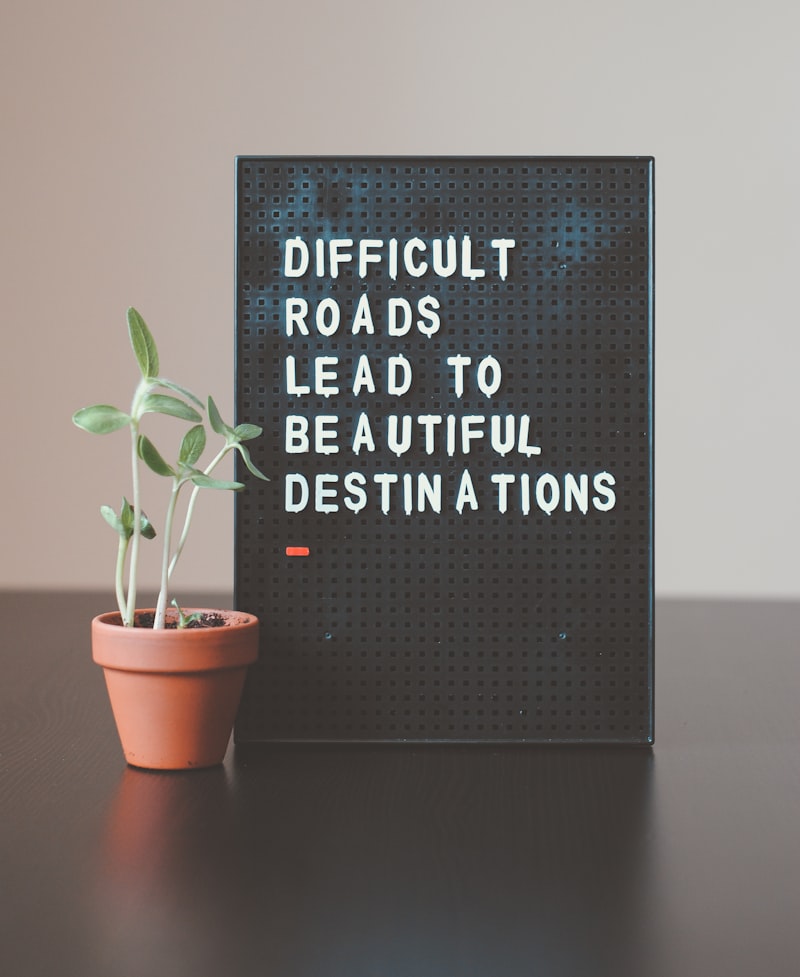
personal growth and self improvement journey

Personal growth is a lifelong journey — every step forward builds your strength and resilience.

Daily Habits of Mentally Strong People

Want to know what truly mentally strong and resilient people do differently every day? Here is a list of the most impactful daily habits that build and maintain mental strength over the long term:

  • They start the day with intention — through morning routines, meditation, journaling, or quiet reflection that set a positive and purposeful tone for the day.
  • They exercise regularly — physical activity is one of the most powerful antidepressants and anxiety reducers known to science, and it builds mental resilience as much as physical strength.
  • They read and learn continuously — mentally strong people are lifelong learners who consistently expand their knowledge, perspectives, and skills.
  • They limit negative media consumption — they are selective about what they allow into their minds, choosing content that informs and inspires rather than content that triggers fear and anxiety.
  • They practice self-compassion — they treat themselves with the same kindness and understanding they would offer a good friend, especially during times of failure or struggle.
  • They get quality sleep — sleep is when the brain repairs and consolidates learning; chronically poor sleep dramatically undermines mental strength and emotional resilience.
  • They take responsibility — they own their choices, their mistakes, and their growth. They do not play the victim or blame others for their circumstances.
  • They help others — acts of kindness and service to others activate the brain's reward system, build social connection, and provide a powerful sense of meaning and purpose.

Building Mental Strength in Children and Young People

One of the greatest gifts you can give a child is the foundation of mental strength and resilience. Research shows that children who develop these skills early in life are more academically successful, have healthier relationships, manage stress more effectively, and enjoy greater overall well-being throughout their lives.

To build resilience in children, help them develop problem-solving skills rather than solving every problem for them. Teach them to name and express their emotions in healthy ways. Model resilient behavior in your own life. Provide a secure, loving environment where they feel safe to take risks and make mistakes. And help them find activities and interests that give them a sense of mastery and purpose.

The Connection Between Mental Strength, Happiness, and Success

Mental strength, happiness, and success are deeply interconnected. Research in positive psychology, pioneered by Martin Seligman, shows that happiness is not merely the result of success — it is actually one of the primary causes of success. Happier, more resilient people are more creative, more productive, more motivated, and more socially connected. They make better decisions, build stronger relationships, and are better equipped to achieve their goals.

Building mental strength creates a positive upward spiral. As you become more resilient, you handle challenges more effectively. As you handle challenges more effectively, you experience more success and growth. As you experience more success and growth, your confidence and happiness increase. And as your confidence and happiness increase, your mental strength grows even further. It is a virtuous cycle that, once started, has the power to transform every area of your life.

Conclusion: Your Journey to Mental Strength Starts Today

Building mental strength and resilience is one of the most worthwhile investments you will ever make in yourself. It is not a destination you reach and then maintain effortlessly — it is a lifelong practice of growth, self-awareness, and intentional living. There will be days when you feel strong and days when you feel broken. That is completely normal and human.

What matters is that you keep showing up. Keep practicing. Keep choosing growth over comfort, courage over fear, and love over bitterness. Every single day that you commit to your mental and emotional well-being, you are building something extraordinary — an unbreakable spirit, a resilient heart, and a life that is truly worth living.

Remember: You have survived 100% of your worst days so far. That is not a coincidence. That is evidence of the remarkable strength already inside you. Now it is time to cultivate it, deepen it, and share it with the world.

Start today. One thought, one breath, one brave step at a time.

If this post inspired you, please share it with someone who needs it. Drop a comment below sharing your own experience with building mental strength and resilience — your story could be exactly what someone else needs to hear today.

Tags: mental strength, resilience, personal growth, self-improvement, overcoming challenges, positive mindset, emotional intelligence, mental health, happiness, motivation, mindfulness, stress management, growth mindset, well-being, inner peace, life lessons, positive thinking, self-discipline, gratitude, personal development

Monday, June 8, 2026

The Power of Self-Discipline: How to Build Habits That Transform Your Life

Self-discipline is one of the most powerful tools a human being can possess. It is the bridge between your goals and your accomplishments. Without it, dreams remain dreams. With it, even the most ambitious visions become achievable realities. In this comprehensive guide, we will explore what self-discipline truly means, why it matters so deeply in life, and how you can build habits that will completely transform your world from the inside out.

What Is Self-Discipline?

Self-discipline is the ability to control your impulses, emotions, desires, and behaviors in order to pursue a higher goal. It is choosing long-term success over short-term pleasure. It is waking up early even when you feel like sleeping in. It is eating healthy when junk food is right in front of you. It is studying for your exam when your friends are having fun outside. Self-discipline is not about being harsh on yourself — it is about respecting yourself enough to do what needs to be done.

Many people confuse self-discipline with motivation. Motivation is a feeling — it comes and goes. You might feel motivated today and completely lost tomorrow. But self-discipline is a practice, a habit, a lifestyle. It does not depend on how you feel. Disciplined people act regardless of their mood. That is the true secret of high achievers around the world.

Why Self-Discipline Is the Foundation of Success

Every great person in history — every athlete, entrepreneur, scholar, artist — had one thing in common: relentless self-discipline. They showed up every single day, regardless of the circumstances. They did not wait for the perfect moment. They created the moment through consistent action.

Think about a student who wants to become a doctor. The journey requires years of hard work, countless hours of study, and immense patience. Without self-discipline, the student gives up at the first obstacle. With self-discipline, they push through every exam, every failure, every sleepless night — until they reach their dream.

Or think about a person who wants to lose weight and get healthy. They may start with enthusiasm in January, but by February, most have given up. Why? Because motivation fades. But those who build a disciplined routine — who exercise even when tired, who eat right even at parties — they are the ones who transform their bodies and lives.

Self-discipline is the foundation because it supports everything else. It supports your health, your relationships, your career, your mental peace, and your spiritual growth. Without it, all other qualities and talents are wasted. With it, even average talent can produce extraordinary results.

Self-Discipline and Morning Routine

Building a strong morning routine is the first step toward self-discipline.

The Science Behind Habits and Willpower

Modern neuroscience has revealed fascinating insights about how habits form and how willpower works. When you repeat a behavior consistently, your brain creates a neural pathway for it. Over time, that behavior becomes automatic — it requires less conscious effort. This is how habits are born.

According to researchers, it takes anywhere from 21 to 66 days to form a new habit, depending on its complexity. The brain's basal ganglia — the region responsible for habitual behavior — encodes these patterns so deeply that they become part of your identity. You stop thinking about the habit and simply do it.

Willpower, on the other hand, is like a muscle. It gets tired with overuse. This is called "decision fatigue." The more decisions you make in a day, the weaker your willpower becomes toward the end. This is why successful people simplify their daily decisions — they wear similar clothes, eat similar meals, and follow fixed routines — so they can save their mental energy for what truly matters.

The key insight is this: do not rely on willpower alone. Instead, build systems and environments that make disciplined behavior easier. Remove temptations. Create reminders. Set up accountability. Design your day so that doing the right thing is the path of least resistance.

10 Powerful Habits to Build Unbreakable Self-Discipline

1. Start Your Day with a Morning Routine

How you start your morning sets the tone for your entire day. Waking up early, avoiding your phone for the first 30 minutes, drinking water, doing light exercise, and setting your intentions — these simple acts create momentum and discipline that carry through the rest of the day. A strong morning routine is the single most effective habit you can build for long-term self-discipline.

2. Set Clear and Specific Goals

Vague goals lead to vague results. "I want to be successful" is not a goal. "I will write 1000 words every day for 30 days to complete my book" is a goal. When your goals are clear and measurable, your brain knows exactly what to aim for. Write your goals down every morning. Review them every night. This keeps you focused and disciplined even on difficult days.

3. Break Big Goals into Small Daily Actions

Overwhelm is the enemy of discipline. When a goal feels too big, we procrastinate. The solution is to break it down into the smallest possible daily actions. Want to learn a new language? Practice 15 minutes a day. Want to build a business? Work on one task every morning. Small, consistent actions compound over time into massive results.

4. Eliminate Distractions and Time Wasters

Identify what steals your time and attention — social media, Netflix, unnecessary conversations, phone notifications. These are not evil in themselves, but unchecked, they devour your most productive hours. Set specific times for entertainment. Turn off notifications during work hours. Create a distraction-free environment. Your discipline grows when your environment supports focus.

5. Practice Delayed Gratification

One of the most famous psychological experiments in history is the "marshmallow test," where children who were able to resist eating one marshmallow immediately in exchange for two marshmallows later were found to have better life outcomes decades later. Delayed gratification — the ability to resist immediate pleasure for a greater future reward — is at the heart of self-discipline. Practice it daily. Skip the dessert today. Save money instead of spending it. Study instead of scrolling. Every small act of delayed gratification strengthens your discipline muscle.

6. Build an Accountability System

It is much easier to maintain discipline when someone else is watching. Find an accountability partner — a friend, a mentor, a coach, or even an online community. Share your goals with them. Check in regularly. When you know that someone will ask about your progress, you are far more likely to follow through. Accountability turns intentions into actions.

7. Learn to Manage Your Emotions

Emotional intelligence is deeply connected to self-discipline. When we feel stressed, anxious, or overwhelmed, we tend to fall back on bad habits for comfort — overeating, scrolling, procrastinating. Learning to manage your emotions through mindfulness, journaling, deep breathing, or talking to someone helps you make better decisions even under pressure. Emotional regulation is discipline from the inside out.

8. Get Enough Sleep and Take Care of Your Body

Sleep deprivation destroys self-discipline. When you are tired, your prefrontal cortex — the rational, decision-making part of your brain — functions poorly. You make impulsive choices, eat junk food, skip exercise, and lose focus. Prioritizing 7 to 8 hours of quality sleep is not laziness — it is the foundation of mental and emotional performance. Similarly, regular exercise, proper nutrition, and hydration are essential fuel for a disciplined mind and body.

9. Embrace Failure as Part of the Process

Many people abandon their goals after the first failure. They see failure as a sign that they are not capable. But the most disciplined people in the world see failure differently — they see it as feedback, as data, as a necessary step on the road to success. Every time you fall and get back up, you build resilience. Every setback teaches you something that success never could. Embrace failure with open arms and use it as fuel to keep going.

10. Celebrate Small Wins

Discipline should not feel like punishment. When you achieve a small goal — when you complete a week of morning workouts, when you finish a chapter of your book, when you resist a bad habit for a day — celebrate it. Acknowledge your progress. This positive reinforcement keeps your brain motivated and makes discipline feel rewarding rather than painful. Over time, you will actually enjoy the process of showing up consistently.

Building Habits Through Journaling

Journaling daily habits and goals is a powerful way to stay disciplined and focused.

The Role of Mindset in Self-Discipline

Your mindset is the invisible engine behind all your actions. If you believe that self-discipline is painful and restrictive, you will avoid it. But if you shift your mindset and see discipline as freedom — as the key that unlocks your potential — everything changes.

Disciplined people are not suppressing themselves. They are actually the freest people in the world. They are free from the regret of wasted time. They are free from the prison of mediocrity. They are free to pursue what truly matters because they have their actions aligned with their values.

Adopt a growth mindset. Believe that your abilities can be developed through dedication and hard work. See challenges as opportunities. See effort as the path to mastery. When you combine a growth mindset with disciplined action, there is truly no limit to what you can achieve.

Self-Discipline in Relationships and Daily Life

Self-discipline does not only apply to work and career. It is equally important in relationships, health, and everyday life decisions. In relationships, discipline means listening before reacting, choosing kindness over anger, keeping your promises, and investing time and energy consistently in the people you love.

In health, discipline means choosing nourishing food even when you crave junk, showing up for your workout even when tired, sleeping on time even when the TV show is exciting, and going for regular medical checkups before problems arise.

In finances, discipline means saving before spending, investing for the future, avoiding impulsive purchases, and living below your means even when you can afford more. Financial discipline is one of the most transformative habits you can build — it creates security, freedom, and peace of mind.

Building Self-Discipline as a Daily Practice

The most important thing to understand is that self-discipline is not a trait you either have or do not have. It is a skill that you practice every single day. Some days you will be disciplined. Some days you will fail. That is completely normal and human. What matters is not perfection — what matters is consistency.

Start small. Choose one habit you want to build. Commit to it for 30 days. Track your progress. Be patient with yourself. As that habit becomes automatic, add another one. Layer by layer, you will construct a life of extraordinary discipline and purpose.

Remember, every master was once a beginner. Every disciplined person once struggled with procrastination and inconsistency. The difference is they kept going. They chose progress over perfection. And day by day, they became the person they always wanted to be.

Final Thoughts: Your Disciplined Life Begins Today

Self-discipline is the greatest gift you can give yourself. It is the foundation of every dream, every achievement, every transformation. It is not always easy — in fact, it is rarely easy. But it is always worth it. Because on the other side of discipline lies the life you truly deserve: a life of health, purpose, achievement, peace, and genuine happiness.

You do not need to be perfect. You just need to begin. Take one small step today. Wake up a little earlier. Write that page. Skip that distraction. Keep that promise to yourself. And then do it again tomorrow. And the day after. Before you know it, you will look back and be amazed at how far your small, daily acts of discipline have taken you.

The journey of a thousand miles begins with a single step. Take that step today. Your disciplined, transformed life is waiting for you — and it starts right now.

Share this post with someone who needs motivation today. Leave a comment below and tell us — what is one habit you are going to start building this week?

Sunday, May 17, 2026

How to Find Inner Peace and True Happiness: A Complete Life Guide

How to Find Inner Peace and True Happiness - A Complete Life Guide

Finding inner peace is a journey, not a destination.

Have you ever felt like life is moving too fast and you are losing yourself in the rush? You are not alone.

Millions of people around the world are searching for the same thing: inner peace and true happiness. Not the kind that depends on money, success, or other people — but the kind that comes from within and stays with you no matter what happens outside.

In this complete life guide, you will discover practical and proven ways to find inner peace, build lasting happiness, and live a life that feels meaningful and fulfilling every single day.

What You Will Learn:
  • What inner peace really means
  • Why happiness must come from within
  • 5 daily habits for a peaceful mind
  • How to let go of stress and anxiety
  • Building emotional strength and resilience
  • Simple mindfulness practices for beginners

What Is Inner Peace and Why Does It Matter?

Inner peace is not about having a perfect life. It is about having a calm, stable mind even when life is not perfect. It means you can face problems without losing yourself. You can feel pain without being destroyed by it. You can keep moving forward even when the road is hard.

Research in positive psychology shows that people who have inner peace live longer, healthier, and more productive lives. They have stronger relationships, better focus, and a deeper sense of purpose.

True happiness is not a place you arrive at. It is a way you choose to walk through life every day.

Mindfulness and inner peace meditation practice

Mindfulness helps quiet the noise and bring you back to the present moment.

5 Daily Habits That Bring Inner Peace

Peace is not something that happens to you. It is something you build, one habit at a time. Here are five powerful daily practices that can change your life:

1. Start Your Morning With Intention

Before you check your phone, take five minutes to breathe, think about what you are grateful for, and set one clear intention for your day. This small habit rewires your brain toward positivity and focus.

2. Practice Mindfulness Every Day

Mindfulness simply means paying attention to the present moment without judgment. Even ten minutes of mindful breathing per day can reduce stress hormones, improve focus, and bring a deep sense of calm.

3. Let Go of What You Cannot Control

Most of our suffering comes from trying to control things that are outside our power. Accept what is, release what was, and trust what will be. This is one of the most powerful shifts you can make in your life.

4. Protect Your Energy and Set Boundaries

Say no to things that drain you. Say yes to things that restore you. You cannot pour from an empty cup. Protecting your mental and emotional energy is not selfish — it is essential.

5. End Your Day With Gratitude

Before sleeping, write down three things you are grateful for. Gratitude shifts your mind from what is missing to what is present. It is the fastest way to build happiness from the inside out.

How to Release Stress and Anxiety

Stress is a natural part of life, but chronic stress destroys inner peace. Here is how to release it:

  • Move your body daily — even a 20-minute walk releases stress hormones and boosts mood.
  • Limit negative news and social media — what you consume mentally shapes how you feel emotionally.
  • Talk to someone you trust — sharing your feelings is not weakness, it is healing.
  • Journal your thoughts — writing helps you process emotions and gain clarity.
  • Spend time in nature — even fifteen minutes outside reduces cortisol and restores calmness.
Nature walk for stress relief and happiness

Spending time in nature is one of the most powerful ways to restore your peace of mind.

Building Emotional Strength and Resilience

Life will always have ups and downs. The goal is not to avoid pain but to become strong enough to move through it with grace. Emotional resilience is a skill — and like every skill, it can be learned and developed.

Here are the core pillars of emotional strength:

Self Awareness — Know your emotions. Name them. Understand what triggers them.
Acceptance — Accept your reality as it is before trying to change it.
Growth Mindset — See every challenge as a lesson, not a punishment.
Community — Surround yourself with people who lift you up and support your growth.

True Happiness Comes From Within

We live in a world that tells us happiness comes from the outside — from achieving more, owning more, looking better, being more popular. But the truth is completely different.

Real, lasting happiness comes from:

  • Living in alignment with your values
  • Meaningful relationships and deep connections
  • A sense of purpose — knowing why you wake up every day
  • Continuous personal growth and self-improvement
  • Giving and contributing to others without expecting anything in return

When you stop chasing happiness and start building it from the inside, everything changes. You become calmer. More focused. More grateful. More alive.

"Peace is not the absence of chaos. It is the presence of calm within the chaos. Choose peace every single day."

Final Thoughts

Finding inner peace and true happiness is not a one-time event. It is a daily practice, a conscious choice, and a lifelong journey. It starts with one small step — one deep breath, one moment of gratitude, one decision to let go of what no longer serves you.

You deserve a life that feels peaceful, meaningful, and full of joy. Start today. Not tomorrow. Not when things get easier. Start right now — with what you have, where you are.

Did this post help you? Share it with someone who needs it today.

Follow this blog for more life tips, personal growth articles, and motivational content updated regularly.

Saturday, October 11, 2025

Learn how Sora AI is transforming video creation turning text into Hollywood-quality video, now rolling out across the USA. Discover features, access tips, and comparisons.

Sora AI: The Future of Creativity and Video Generation Has Arrived

What Is Sora AI?

In October 2025, OpenAI unleashed Sora 2 a revolution in AI-driven video generation, making it possible for anyone to turn a short text prompt into stunning, cinematic videos in seconds. Imagine describing a simple scene (“a man walking through Times Square in the rain”) and seeing a realistic video rendered with lighting, emotion, and movement worthy of a major film studio. Sora AI transforms storytelling, bridging language and visual creativity on a scale never seen before.

Graphic showing Sora AI transforming text into Hollywood-quality video, highlighting features, rollout across the USA, and comparison details.

How Sora AI Works

Sora AI is powered by a next-generation diffusion-based model building on the technology behind tools like DALL·E 3, but extending it to generate entire sequences of frames with synchronized audio and advanced physical realism. It is trained on massive datasets of images and videos, allowing it to understand how light, physics, and emotion play out over time. The upshot: type a prompt like “a drone flying over the Grand Canyon at sunset,” and Sora creates a vibrant, moving clip complete with motion, sound, and detail.

Key new Sora 2 features:

  • 10–20 second video clips in up to 1080p, depending on plan.

  • Built‑in synchronized dialogue, sound effects, and music.

  • Improved realism, multi-shot consistency, and cameo insertion (appear as a character in your own AI video).

  • Physics-aware motion and world continuity (“no more ‘teleporting’ objects”).

  • Consumer app (iOS) and social feed for sharing and remixing videos.

Why Sora AI Is Vital for U.S. Creators

The American content industry is exploding from small YouTubers and indie filmmakers to advertisers, educators, and social media creators. Video creation is often expensive and slow, but Sora “democratizes” the process: with only a laptop or iPhone and an idea, users can craft viral-quality visuals in minutes.

  • Creators: Make high-quality short videos or storyboards fast.

  • Businesses: Generate ad and marketing content for less.

  • Artists/Students: Realize bold ideas and presentations without technical barriers.

  • Social trend: Sora AI enables U.S.-style creative independence and storytelling on a mass scale.

How to Access or Use Sora AI

Sora is rolling out by invitation on iOS in the U.S. and Canada, with Android and deeper API access coming soon.

  • Step 1: Download the Sora app from the iOS App Store (iOS 18+ required).

  • Step 2: Sign in with your OpenAI account.

  • Step 3: Request “Notify me when access opens” and enter an invite code when prompted.

  • Who gets priority: Current ChatGPT Pro subscribers in the U.S. and Canada; further invites to roll out to the broader public soon.

  • Community tip: Access codes are sometimes shared in forums like Reddit’s /r/OpenAI and on X (Twitter).

    Illustration highlighting Sora AI’s ability to create Hollywood-quality videos from simple text prompts, including key features and user access across the USA.

Sora vs. Other AI Video Tools

FeatureSora 2 (OpenAI)Runway MLPika Labs
Best ForCinematic qualityQuick conceptsCharacter videos
Max Duration10–20 sec4 sec3 sec
Audio GenerationFull sync audioPartialNone
Physics & MotionAdvancedLimitedBasic
Integration with ChatGPTYesNoNo
Ease of Use★★★★★★★★★★★★
Quality★★★★★★★★★★★★★

Sora’s biggest advantage is its text comprehension and realism delivering not just accurate motion but also emotional nuance and cinematic aesthetics, tightly integrated with the GPT language ecosystem.

Can Sora Replace Human Creativity?

Sora is a tool for visualizing and accelerating ideas, not for replacing the heart of creativity itself. It empowers artists, writers, and dreamers to move past technical barriers but it’s still the creator’s vision, emotion, and experience that bring a story to life.
“AI provides the camera; creators provide the vision.”

Life Message: Keep Creating, Frame by Frame

At LaughQuest and beyond, technology and life move together. Like a video, life isn’t always one perfect sequence some scenes need a retake, and some dreams take time to render. Remember, a low phase is just a frame in your bigger story. Keep moving forward: every next scene could be your masterpiece.

“Both AI and life are about learning, adapting, and creating the beautiful from the blank.”

Final Thoughts: The Visual Future Is Here

Sora AI is ushering in a new dawn where ideas instantly become videos, and creativity has no ceiling. If you’re in the USA, now is the time to learn, test, and elevate your storytelling with Sora.
Stay with the LaughQuest blog for guidance, invite updates, and early access tips. 

Want Sora access tips or a code? Drop your email in the comments or subscribe to LaughQuest. The next wave of visual storytelling begins now make sure you’re in the story.


Sora AI, OpenAI Sora, text to video AI, Sora app invite code, USA AI video, AI tools for creators, best AI for YouTube, how to use Sora, Sora 2, AI video generator access, LaughQuest blog.